The Role of Nutrition for your Dog's Healthy Weight
In partnership with Royal Canin
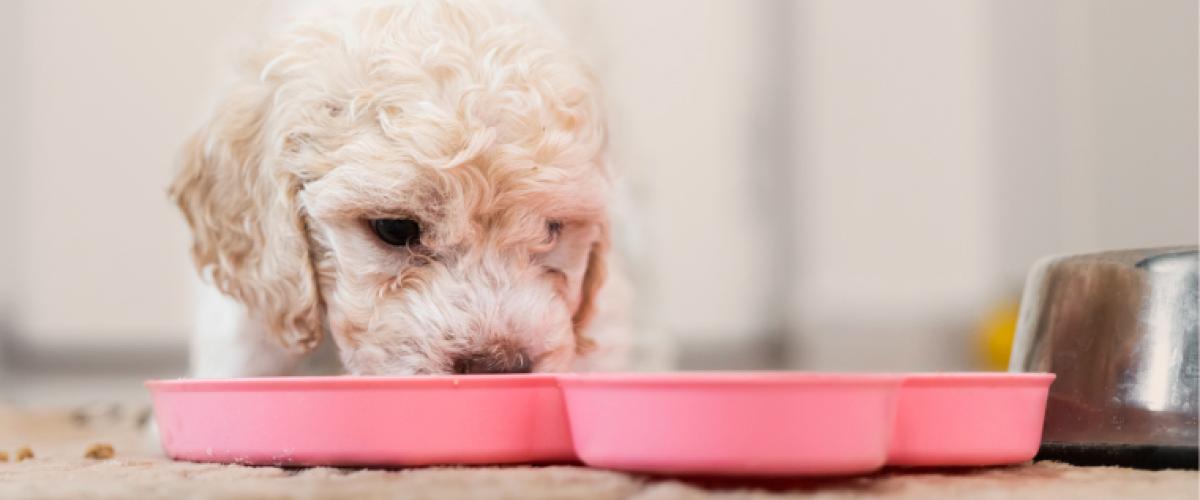
Knowing how much food your dog needs per day is key to maintaining health.
How much does my puppy need to eat?
A healthy weight begins at the start of your puppy’s life, with the right balance of nutrition and activity.
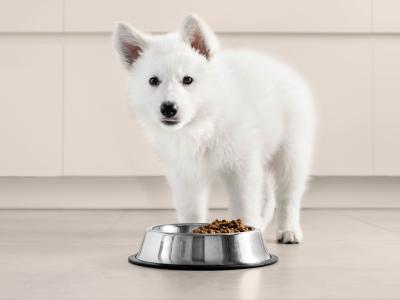
Puppies should be fed a diet of specially formulated puppy food to meet their nutritional needs until they finish growing. Generally, your puppy will need this special food portioned into 3 meals per day until the age of 6 months. Then, you can switch to two meals per day until the end of the growth period and beyond. Be sure to follow the feeding guidelines written on your food packs or consult your vet for the correct amount to feed your puppy at each meal.
Finally, note that once your puppy is spayed or neutered, their calorie requirements will decrease. If you’re unsure about adjusting portions for your puppy, it’s important to consult your vet.
Healthy portions are smaller than you think
Many pet owners think their dog needs more food than they really do. This means that many dogs are overfed. This contributes to weight gain, which in turn, may lead to other health issues.
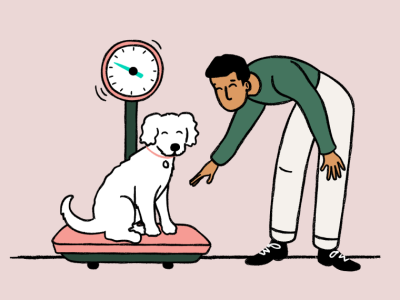
Keep in mind, recommended feeding quantities for dogs are often just guidelines. The amount of food your dog requires may change throughout their life. For example, if your dog gains weight, you may wish to alter their daily calorie intake to counter this. As your dog grows older and becomes less active, then their food portions may shrink with their reduced energy requirements. It's essential to consult your vet if you are ever unsure about your dog's portion size.
Treats
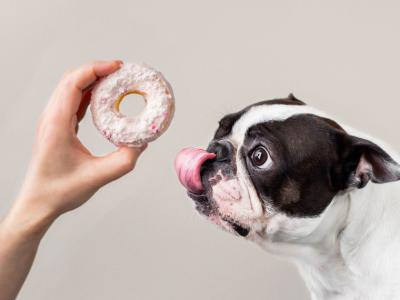
While it’s tempting to show your affection for your puppy with treats, they should only be offered on rare occasions as they can lead to excessive weight gain. It’s always better to reward your puppy by petting them and using encouraging words. You can, however, use a few kibbles taken from their daily ration as a reward during puppy training sessions. What matters most is establishing the right food habits from the start. Remember, treats should take up no more than 10% of a dog's daily rations.
Interested to learn more? Check out what different rewards and treats for dogs mean in human donut equivalent.